Why we stopped covering show awards
Hierarchical show awards have long been regarded as spotlighting some builders while leaving others in the shadows. With a little imagination, shows and expos can point the cycling media to coverage of the custom framebuilding industry with different, but still engaging, content that is more floodlight than spotlight.
Show awards in the custom frame builder industry are both an engaging and immediate way of presenting some of the highlights at shows, and they make an easy product to present to non-specialist media outlets that might otherwise be unable to distinguish between the levels of quality on display.
Over the years, show awards have played a role in building a greater awareness of the exquisite work and unique designs that only the custom handbuilt sector can offer. In many cases, anecdotally for a majority of award winners, doing so leads to a boost in sales.
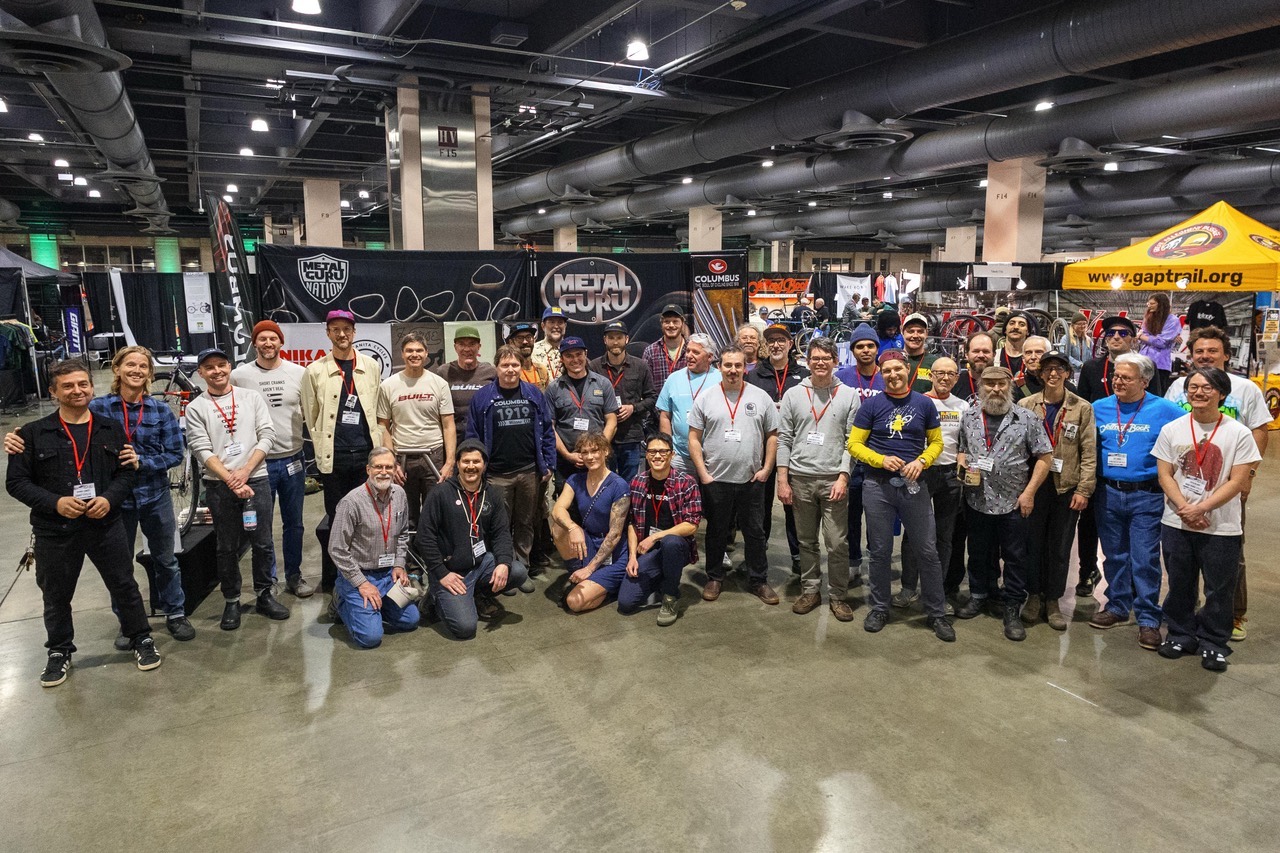
In the realm of show awards, the NAHBS (North American Handmade Bicycle Show) show awards are commonly regarded as having reached the highest level of scrutiny and integrity. The judging method was developed over several years, numerous frame builders were consulted in the process and the jurors were carefully selected experts bringing experience from across the industry.
That's not how it started out though. Going back to the aughties, in the first three years of NAHBS the frame builders voted for any bike that was not from their own workshop. So in effect they were nominating a ‘frame builder’s frame builder’ across a range of categories. HBG has that list if anybody wishes to see it.
By the Portland NAHBS in 2008, the frame builders realized the process of nomination wasn’t working. There wasn’t enough time to view all the frames as well as staffing their booths, and many were not fully confident they’d seen enough to make a valid choice.
This presented NAHBS management with a problem: The show awards were very popular with the media. The communications director of NAHBS, was tasked with building global awareness of the frame builder industry, and the awards served as a path into the big cycling publications around the world. In some notable cases the show awards was the only coverage these publications would provide of NAHBS.
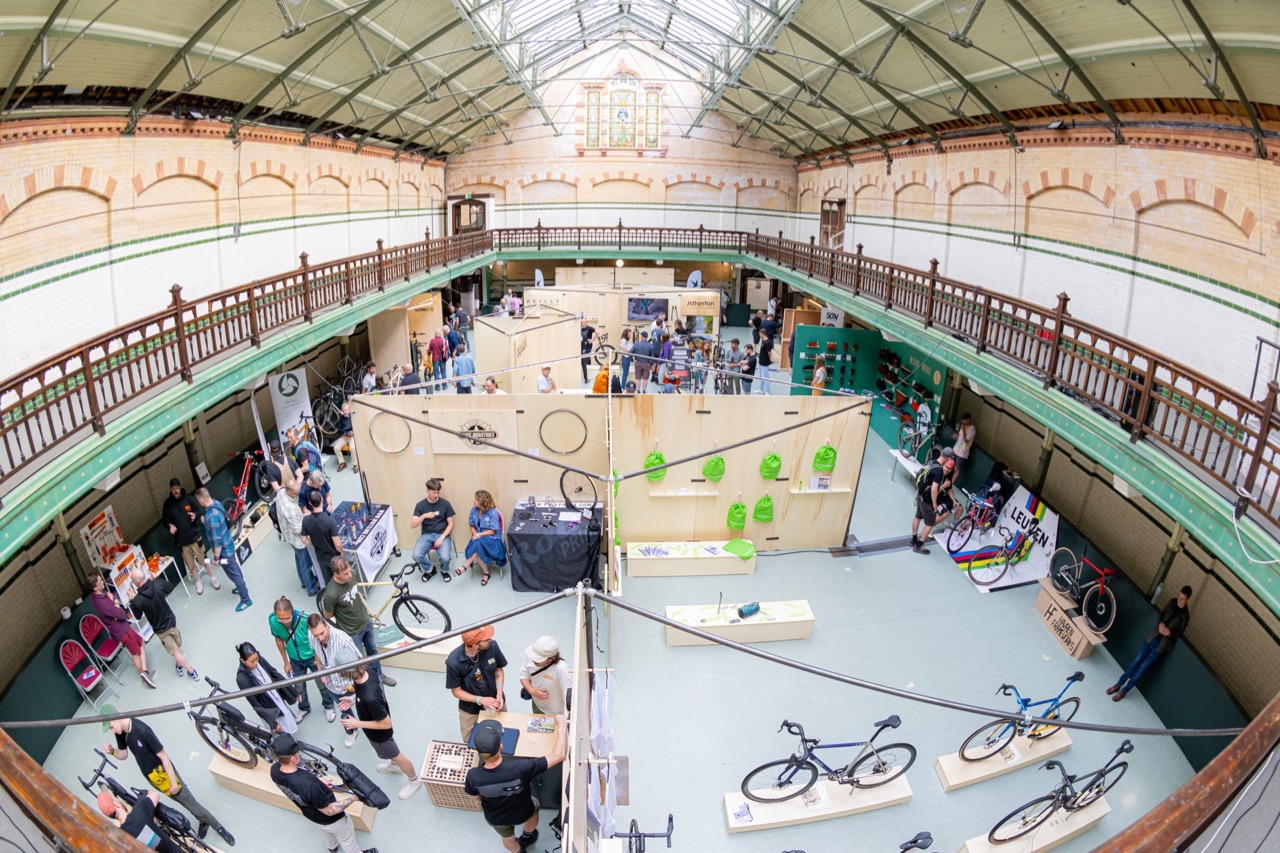
Other bike shows such as Bespoked in the UK and Philly Bike Expo acknowledged the strengths and weaknesses of the NAHBS system and adopted variations. Bespoked has since opted for an entirely different model, while Philly Bike Expo, which has a smaller more manageble number of custom frame builders has gone with a Builder's Choice and a People's Choice award.
Much has changed about the common perception of the frame builder industry since 2008. The message of high artisanship, design excellence, unique product, and even value for money has found solid niches. Specialist publications now exist that had gone into abeyance before the turn of the century, and the mass market which had all but forgotten the custom builders regained a rudimentary awareness of what they are and can do.
There is no question that the NAHBS awards, and those of other shows such as Bespoked and Philly Bike Expo have helped underscore and spread the message about custom framebuilding.
Habits are difficult to shake, though. And even now, having been educated by show communications directors and industry figures, the media still focus on show awards, and award recipients consistently note a surge in orders related to this. But is this fair to the other frame builders that did not receive an award?
The reason this matters is the beam of the spotlight has a tendency to fall in the same place. Just as journalists are prone to falling into habitual patterns, so is the show-going public that follows the articles and forums talk.
Brands tend to gather momentum either in favour of their ‘awardability’ or against it. At NAHBS and other shows, some great frame builders were winning an award almost every time they showed up, while others, just as great to the trained eye, in some cases even better, were consistently overlooked, even by the NAHBS judges. That can have a big effect on a company’s business prospects.
So for a bike show with the objective of lifting all boats on a rising tide, is it right to have an awards contest that shines a light on just a few builders when from an industry-wide perspective the potential income would be more effective if spread evenly?
Even more important maybe, is that an award-winning frame builder might not be the best one to make your bike. Finding the right frame builder is not quite as nuanced as finding a spouse, but there's a lot more to it than just selecting somebody who's won a show award.
The case of Builder's Choice may be an exception. First of all, there is an element of self-regulation at play: The frame builders aren't likely to repeatedly choose a single brand year on year, that would be bad for business, and there are always plenty of good options to choose from. Secondly, and this is possibly linked to the first reason, but it still has HBG editiors scratching their heads, Builder's Choice seems to get less attention in the media as if somehow it doesn't count so much when it is arguably the strongest accolade going.
Are there other ways of drawing attention to the industry that provide a more even spread of coverage, yet still offer publications news they can use? Probably yes. Other story angles that can attract the public eye might include subjects such as Top trends from the show; New brands to watch; State of the market from the expo; Use-case-based standout products; Interesting innovations by category. All of these have been used as headlines for easily-digestible feature stories in the cycling specialist press, so why not apply them to the handbuilt custom sector too?
With a little imagination it is not difficult to come up with promotional ideas that enable an expo communications team to more evenly meter promotional benefits in a format that editors can use.
Where does this leave us at Handbuilt Bicycle News? We believe that more brands leads to more competition. Over the decade we have seen this raise the standard of product in every respect, from the tubes and other parts used to construct the frames, the geometric design, the frame finishing work, and of course the components used to build up the bike.
High school economics teaches us that too much choice and competition is as harmful to a market as too little.
There’s a balance to be found, but years of observing patterns in hierarchical show awards suggests these are not the way to find that balance. Especially now that the frame builder industry is more known and respected, and has established solid niches in the media landscape.
Partly this is because of the number of shows around the world throughout the calendar year, which means there’s a steady flow of interest and awareness. Overall, in the balance, apropos to the topical subject of inclusivity, we consider show awards are at best a sub-optimal way of achieving even industry growth, and at worst a mild dis-service to the industry as a whole.
Related articles

Philly Bike Expo Returns May 8-9 '27
02 Oct 2026
OG Handbuilt Show Plays Long Game
23 Sep 2026
Date Clash: An Unfortunate Coincidence
09 Sep 2026